


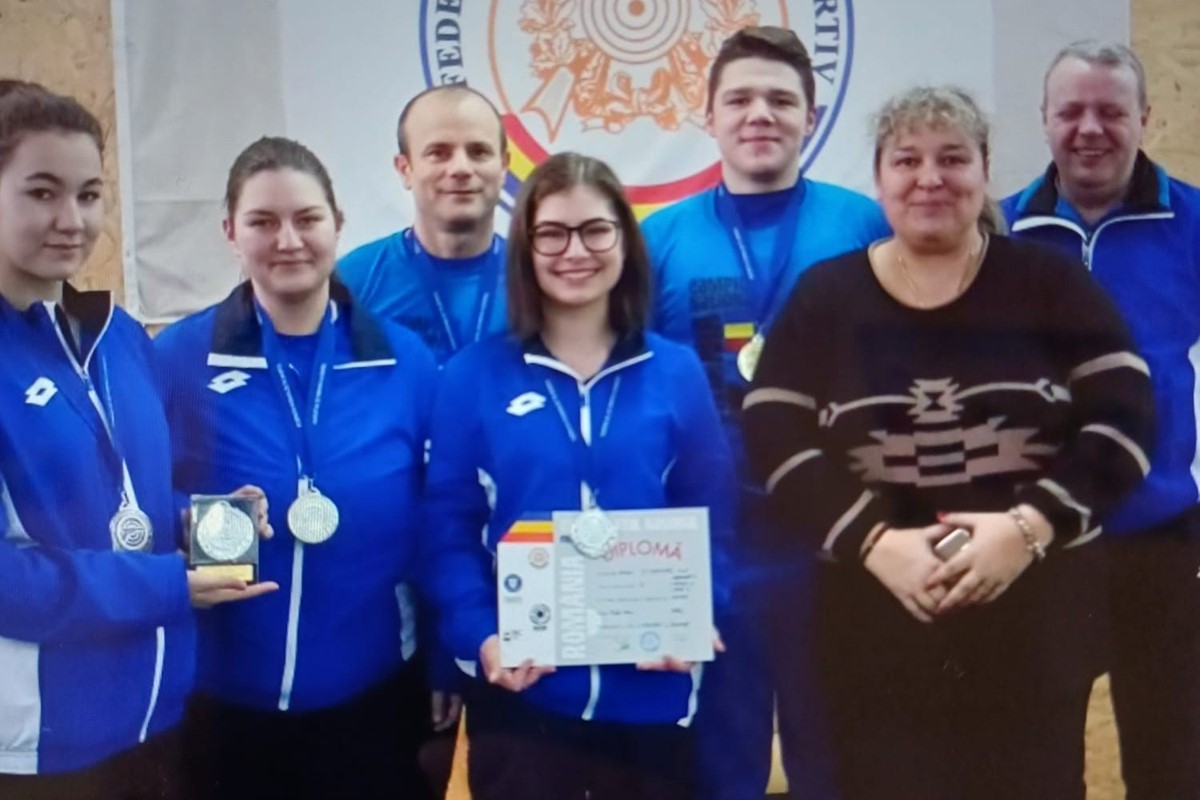
In this interview, she reflects on the responsibility of breaking new ground in leadership, the evolution of opportunities for women in shooting sport, and her vision for strengthening inclusion and development within the Romanian federation.
You have become the first woman to lead the Romanian Shooting Federation in its 150-year history. What does this milestone mean to you personally and professionally?
Becoming the first woman to lead the Romanian Shooting Federation in its 150-year history is both an honor and a great responsibility. Personally, it represents the culmination of many years dedicated to this sport. Professionally, it is a confirmation that leadership in sport should be based on competence, vision, and commitment, regardless of gender. I see this milestone not only as a personal achievement, but as an important step forward for Romanian shooting and for women in sport leadership.
You have become the first woman to lead the Romanian Shooting Federation in its 150-year history. What does this milestone mean to you personally and professionally?
Becoming the first woman to lead the Romanian Shooting Federation in its 150-year history is both an honor and a great responsibility. Personally, it represents the culmination of many years dedicated to this sport. Professionally, it is a confirmation that leadership in sport should be based on competence, vision, and commitment, regardless of gender. I see this milestone not only as a personal achievement, but as an important step forward for Romanian shooting and for women in sport leadership.
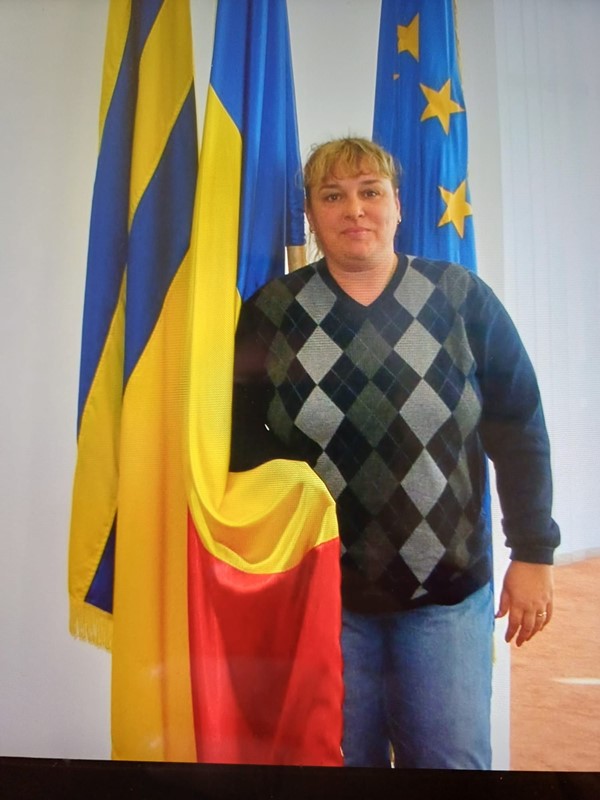
What motivated you to pursue the presidency, and what vision do you bring to the federation at this new chapter in its history?
My motivation came from a deep desire to contribute to the modernization and development of Romanian shooting. I believe our federation has strong traditions and talented athletes, but we must adapt to contemporary standards of governance, performance, and visibility.
My vision focuses on strengthening grassroots programs, improving support systems for athletes and coaches, enhancing transparency and professionalism in administration, and building stronger partnerships both nationally and internationally.
Shooting sport has traditionally been male-dominated in leadership roles. What challenges, if any, have you faced as a woman stepping into this position?
While shooting sport has traditionally been male-dominated in leadership, I have focused on professionalism and results rather than on barriers. Of course, stepping into any leadership role brings scrutiny and high expectations.
The key is to respond with competence, dialogue, and consistency. I believe that performance and integrity are the strongest arguments in overcoming stereotypes.
My motivation came from a deep desire to contribute to the modernization and development of Romanian shooting. I believe our federation has strong traditions and talented athletes, but we must adapt to contemporary standards of governance, performance, and visibility.
My vision focuses on strengthening grassroots programs, improving support systems for athletes and coaches, enhancing transparency and professionalism in administration, and building stronger partnerships both nationally and internationally.
Shooting sport has traditionally been male-dominated in leadership roles. What challenges, if any, have you faced as a woman stepping into this position?
While shooting sport has traditionally been male-dominated in leadership, I have focused on professionalism and results rather than on barriers. Of course, stepping into any leadership role brings scrutiny and high expectations.
The key is to respond with competence, dialogue, and consistency. I believe that performance and integrity are the strongest arguments in overcoming stereotypes.
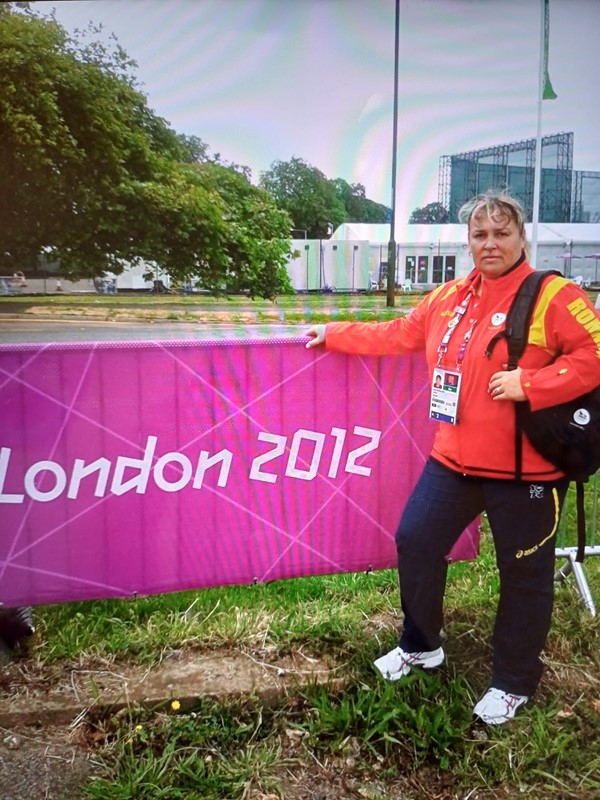
How do you plan to strengthen opportunities for women and young girls within Romanian shooting sport?
We plan to expand youth development programs and ensure equal access to training, competitions, and resources for girls and boys alike.
Mentorship initiatives, visibility campaigns, and collaboration with schools and local clubs will be essential. It is important that young girls see clear pathways — from grassroots to elite level — and also opportunities beyond competition, including coaching and sports administration.
How important is visibility of women in leadership positions for the next generation of athletes and administrators?
Visibility is extremely important. Representation creates confidence and aspiration. When young athletes see women in leadership roles, it reinforces the message that opportunities are open to everyone.
Diversity in leadership also brings different perspectives, which ultimately strengthens decision-making and organizational culture.
We plan to expand youth development programs and ensure equal access to training, competitions, and resources for girls and boys alike.
Mentorship initiatives, visibility campaigns, and collaboration with schools and local clubs will be essential. It is important that young girls see clear pathways — from grassroots to elite level — and also opportunities beyond competition, including coaching and sports administration.
How important is visibility of women in leadership positions for the next generation of athletes and administrators?
Visibility is extremely important. Representation creates confidence and aspiration. When young athletes see women in leadership roles, it reinforces the message that opportunities are open to everyone.
Diversity in leadership also brings different perspectives, which ultimately strengthens decision-making and organizational culture.
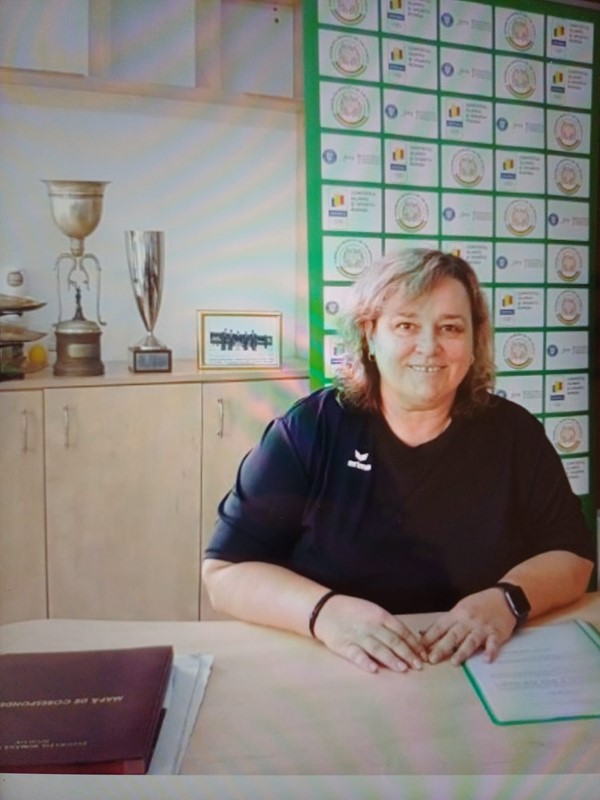
What structural or policy measures do you believe are most effective in promoting inclusion and equality within sport federations?
Clear governance policies, transparent recruitment processes, education programs, and measurable objectives for inclusion are essential.
It is also important to create safe environments, establish clear ethical standards, and encourage balanced representation in decision-making bodies. Inclusion must be embedded in strategy, not treated as a symbolic gesture.
Looking ahead, what legacy would you like to leave as president of the Romanian Shooting Federation?
I would like to leave behind a federation that is modern, transparent, and performance-oriented — one that nurtures young talent, supports elite athletes effectively, and is respected internationally.
If at the end of my mandate Romanian shooting is stronger, more united, and more inclusive, I will consider my mission fulfilled.
Clear governance policies, transparent recruitment processes, education programs, and measurable objectives for inclusion are essential.
It is also important to create safe environments, establish clear ethical standards, and encourage balanced representation in decision-making bodies. Inclusion must be embedded in strategy, not treated as a symbolic gesture.
Looking ahead, what legacy would you like to leave as president of the Romanian Shooting Federation?
I would like to leave behind a federation that is modern, transparent, and performance-oriented — one that nurtures young talent, supports elite athletes effectively, and is respected internationally.
If at the end of my mandate Romanian shooting is stronger, more united, and more inclusive, I will consider my mission fulfilled.