What does inclusion mean in shooting sport?
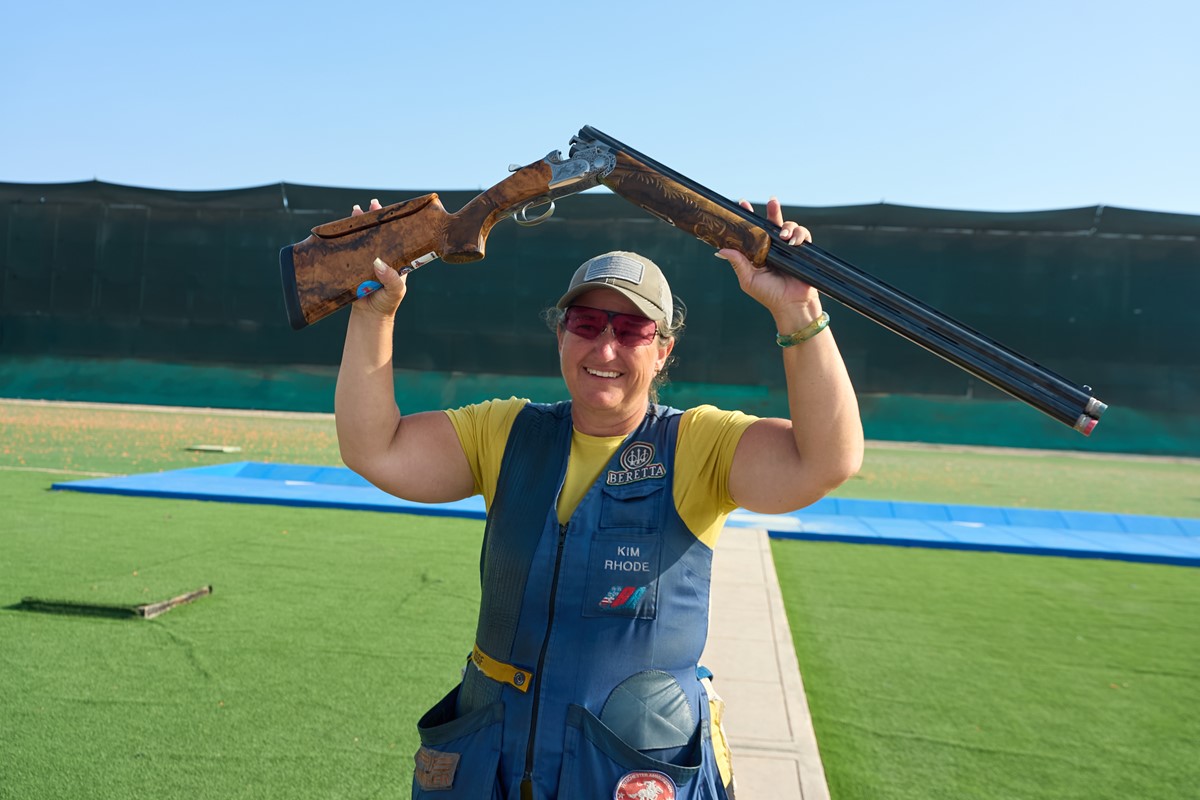
Inclusion means when you step onto the firing line, nobody gets a head start.
Not because of gender. Not because of background. Not because of where you are from.
Shooting is one of the few sports in the world where strength is not measured in muscle. It is measured in focus, in composure, in the ability to control your heartbeat when the pressure is sky high.
Inclusion means every athlete has access to that opportunity and that when they earn their place, they are respected for it.
At the end of the day, the target does not care if you are a man or a woman. It only cares if you hit it.
How have you seen opportunities evolve for women?
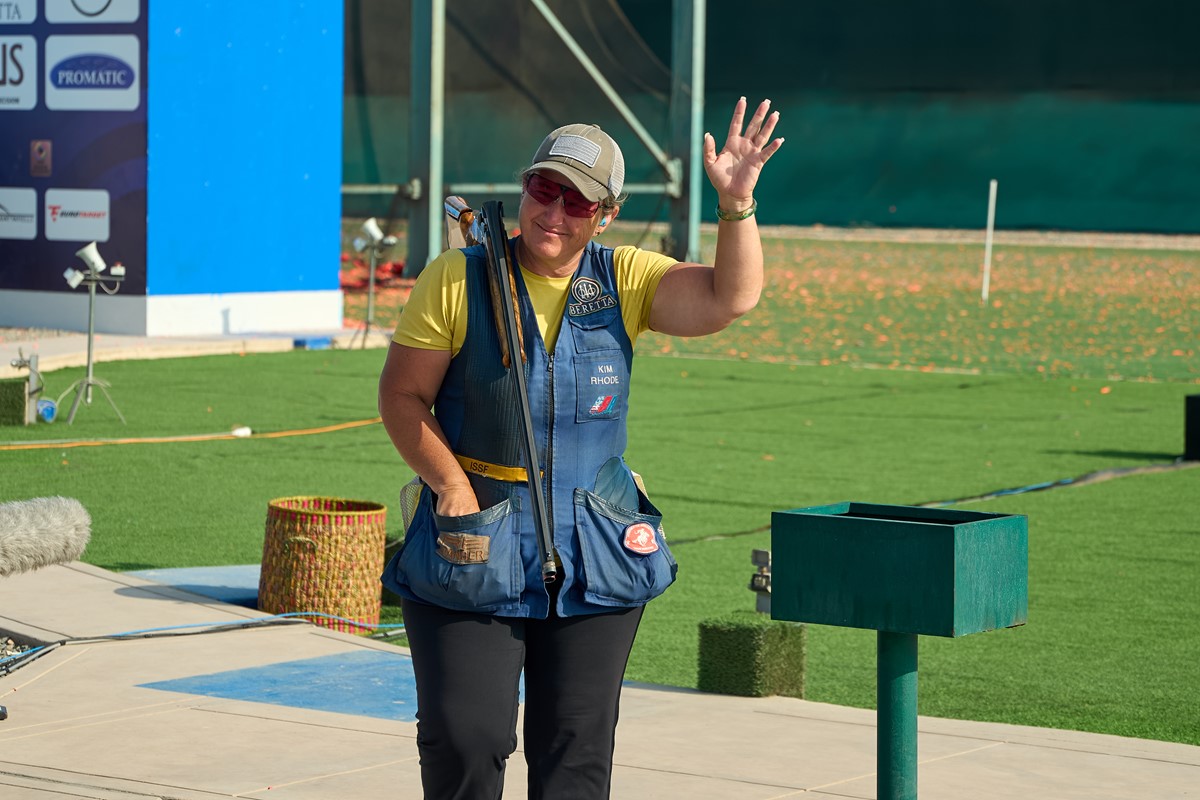
When I competed in my first Olympics in 1996, I was 16 years old. I was not thinking about evolution. I just wanted to win.
But looking back, the growth has been incredible.
Equal events. Equal medal opportunities. Mixed team formats. More women stepping into coaching and leadership roles.
What used to feel groundbreaking now feels expected, and that is a good thing.
We have gone from proving we belong to knowing we belong. That shift changes everything.
Inclusion means when you step onto the firing line, nobody gets a head start.
Not because of gender. Not because of background. Not because of where you are from.
Shooting is one of the few sports in the world where strength is not measured in muscle. It is measured in focus, in composure, in the ability to control your heartbeat when the pressure is sky high.
Inclusion means every athlete has access to that opportunity and that when they earn their place, they are respected for it.
At the end of the day, the target does not care if you are a man or a woman. It only cares if you hit it.
How have you seen opportunities evolve for women?
When I competed in my first Olympics in 1996, I was 16 years old. I was not thinking about evolution. I just wanted to win.
But looking back, the growth has been incredible.
Equal events. Equal medal opportunities. Mixed team formats. More women stepping into coaching and leadership roles.
What used to feel groundbreaking now feels expected, and that is a good thing.
We have gone from proving we belong to knowing we belong. That shift changes everything.
What would you tell young girls considering shooting sport?
I would tell them this.
If you want a sport that builds confidence from the inside out, this is it.
Shooting teaches you how to control nerves. How to stay calm when the world feels loud. How to trust yourself when everything is on the line.
It is not flashy. It is not chaotic. It is mental strength at its finest.
And here is the secret. The confidence you build on the range follows you into boardrooms, classrooms, and every other space you walk into.
You do not just learn how to hit targets. You learn how to handle pressure.
That is powerful.
How do mixed team events contribute to equality?
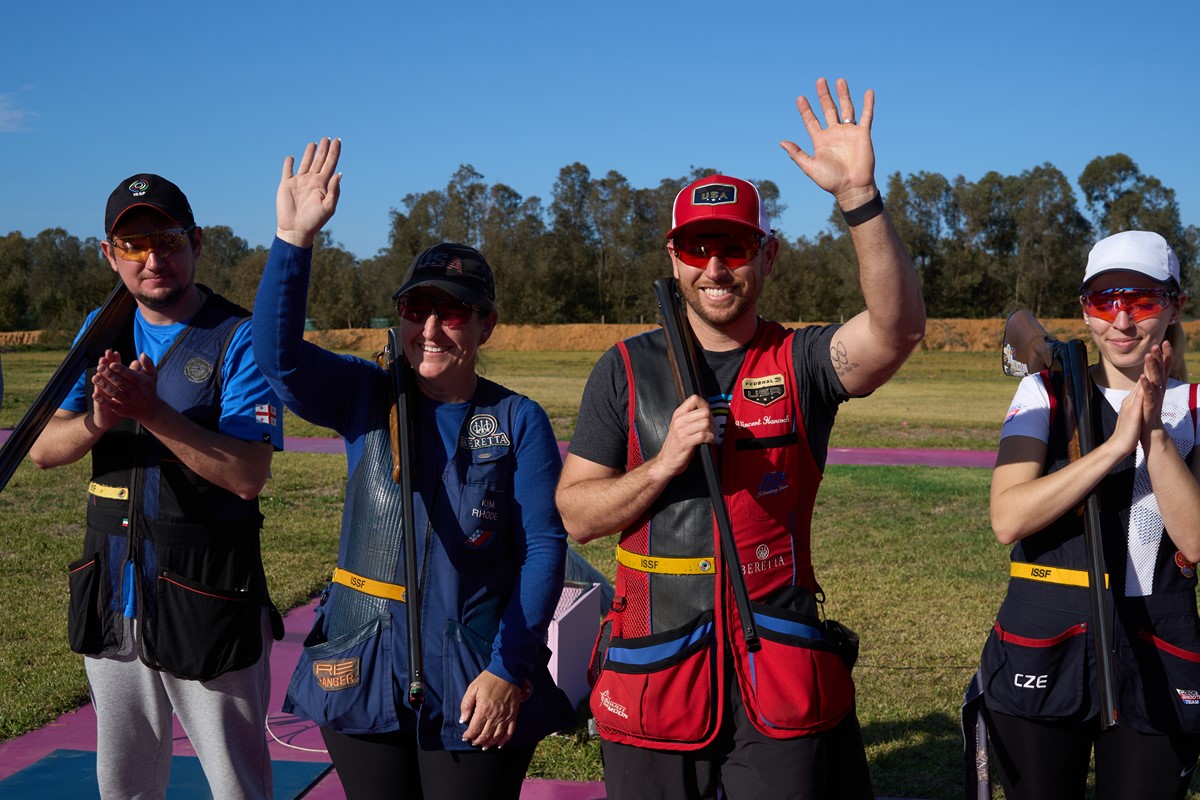
Mixed team events are one of my favorite additions to the sport.
There is no carrying someone. There is no hiding. Every shot matters equally.
You learn to communicate. You learn to trust. You learn to recover together.
When you stand shoulder to shoulder knowing the outcome depends on both of you, it reinforces something important.
Performance has no gender.
Only preparation.
I would tell them this.
If you want a sport that builds confidence from the inside out, this is it.
Shooting teaches you how to control nerves. How to stay calm when the world feels loud. How to trust yourself when everything is on the line.
It is not flashy. It is not chaotic. It is mental strength at its finest.
And here is the secret. The confidence you build on the range follows you into boardrooms, classrooms, and every other space you walk into.
You do not just learn how to hit targets. You learn how to handle pressure.
That is powerful.
How do mixed team events contribute to equality?
Mixed team events are one of my favorite additions to the sport.
There is no carrying someone. There is no hiding. Every shot matters equally.
You learn to communicate. You learn to trust. You learn to recover together.
When you stand shoulder to shoulder knowing the outcome depends on both of you, it reinforces something important.
Performance has no gender.
Only preparation.
Why is visibility of women in leadership important?
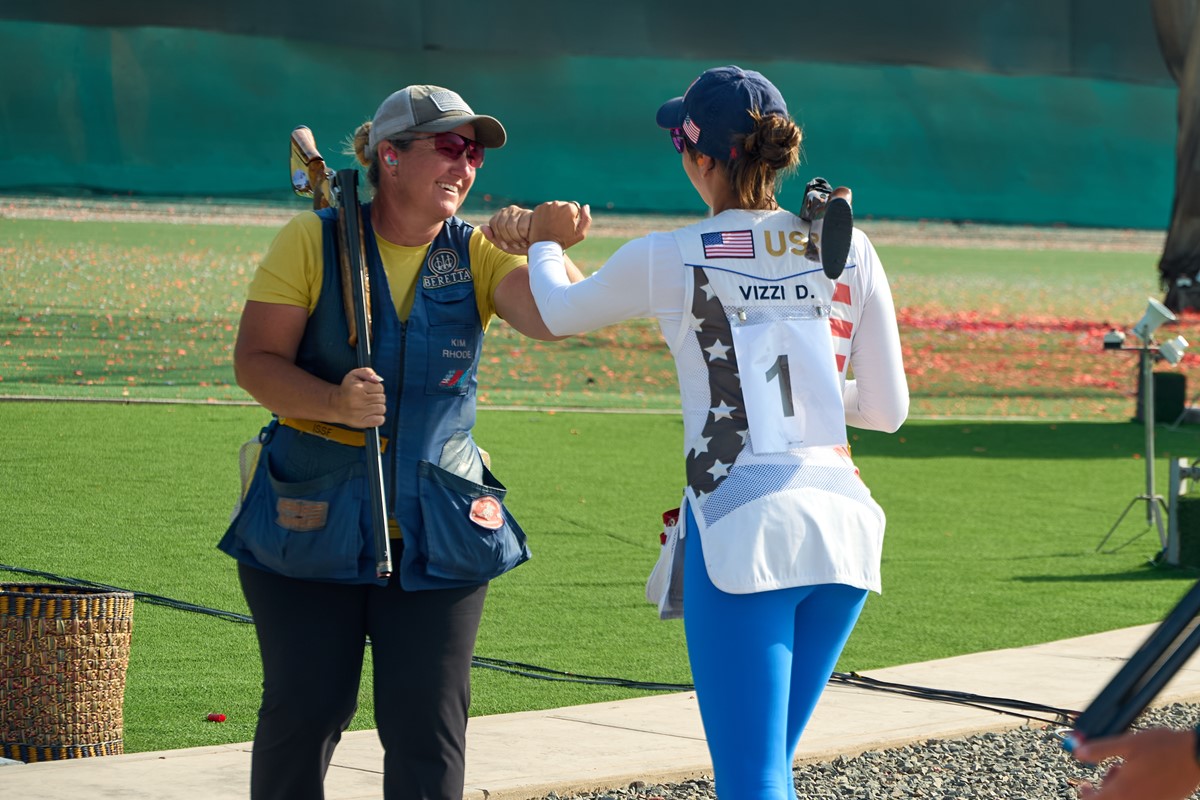
Because young athletes are watching.
When they see women not only on podiums but also at decision making tables, it tells them their voice has a place here.
Leadership visibility does not just inspire participation. It inspires ownership.
And ownership changes culture.
How does ISSF integrate gender equality?
Equality is not just about equal medals. It is about equal pathways.
Equal events. Equal qualification opportunities. Equal development programs. Increasing leadership representation.
Policies matter. Structure matters.
What matters most is consistency. When equality becomes normal rather than special, that is when you know progress is real.
Because young athletes are watching.
When they see women not only on podiums but also at decision making tables, it tells them their voice has a place here.
Leadership visibility does not just inspire participation. It inspires ownership.
And ownership changes culture.
How does ISSF integrate gender equality?
Equality is not just about equal medals. It is about equal pathways.
Equal events. Equal qualification opportunities. Equal development programs. Increasing leadership representation.
Policies matter. Structure matters.
What matters most is consistency. When equality becomes normal rather than special, that is when you know progress is real.
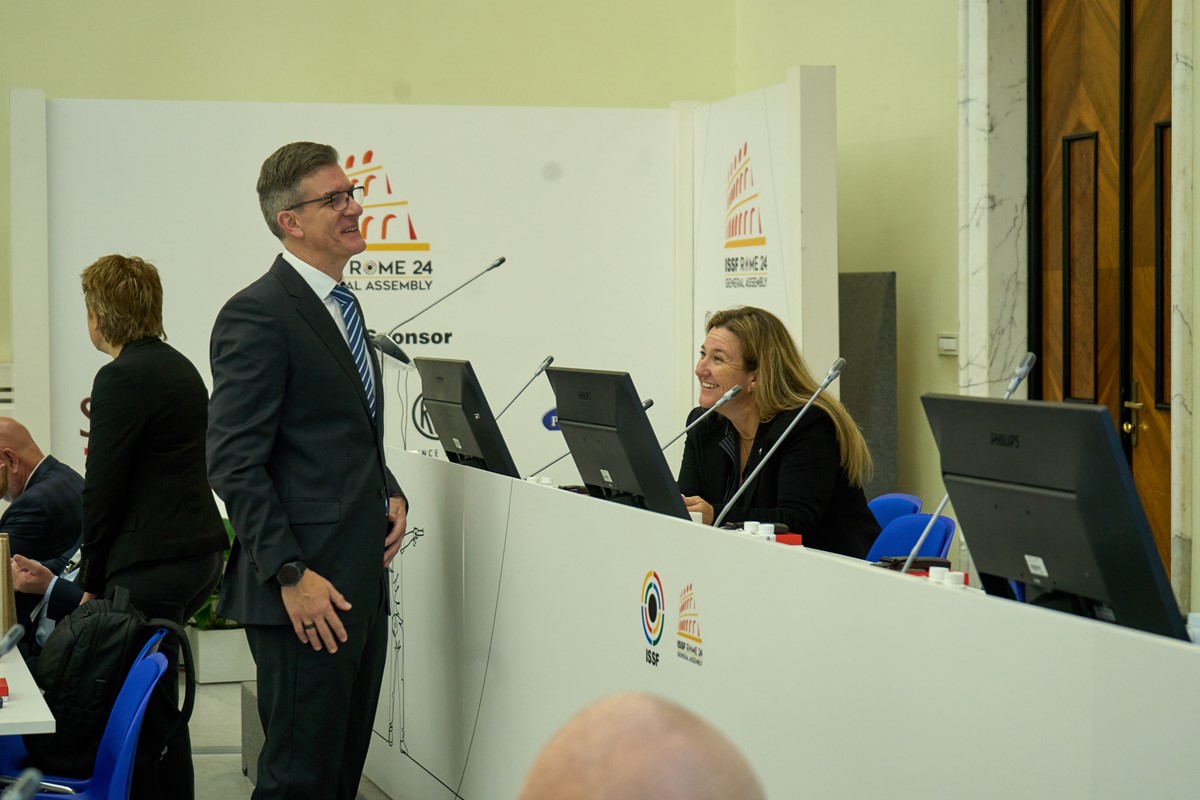
What structural measures have been most effective in promoting inclusion within the federation?
I grew up in a version of this sport that looked very different from today.
There was a moment in Olympic history when a woman won gold competing directly against the men in shotgun. After that, men and women were separated into different categories. Whether that decision was directly connected or not, many athletes believed it was. That was the feeling across the sport at the time.
The separation created opportunity. It gave women their own platform and more chances to win medals. That mattered.
But for years after that, women shot 75 targets while men shot 125. We had separate divisions, yet we were not measured by the same standard. Our scores could not truly be compared. We all knew there was still work to do.
Equalizing the number of targets was a turning point.
Now men and women compete separately but under the same course of fire. We shoot the same number of targets. We are held to the same expectation. We can say without hesitation that we are equal in standard.
That shift changed more than format. It changed confidence.
Inclusion has also evolved in leadership. I have gone from athlete, to Chair of the Athlete Committee, to the Executive Board, and now to serving as Vice President. That progression is not just personal. It reflects how the sport has opened its doors. Women are not only competing at the highest level. We are helping guide the future of the sport.
True inclusion is not symbolic. It is structural. It is written into the rulebook, embedded in the format, and visible in leadership.
And when equality is built into the foundation of the ISSF, it does not weaken the sport. It strengthens it.
What should shape the future of inclusion?
Three things.
Access. Education. Visibility.
Access means girls around the world can safely enter the sport.
Education means coaches and leaders foster environments of respect and opportunity.
Visibility means excellence is seen and celebrated.
Inclusion is not a finish line. It is a commitment.
And I truly believe the next generation of women in shooting will be even stronger and more fearless than mine.
I cannot wait to watch them rise.
I grew up in a version of this sport that looked very different from today.
There was a moment in Olympic history when a woman won gold competing directly against the men in shotgun. After that, men and women were separated into different categories. Whether that decision was directly connected or not, many athletes believed it was. That was the feeling across the sport at the time.
The separation created opportunity. It gave women their own platform and more chances to win medals. That mattered.
But for years after that, women shot 75 targets while men shot 125. We had separate divisions, yet we were not measured by the same standard. Our scores could not truly be compared. We all knew there was still work to do.
Equalizing the number of targets was a turning point.
Now men and women compete separately but under the same course of fire. We shoot the same number of targets. We are held to the same expectation. We can say without hesitation that we are equal in standard.
That shift changed more than format. It changed confidence.
Inclusion has also evolved in leadership. I have gone from athlete, to Chair of the Athlete Committee, to the Executive Board, and now to serving as Vice President. That progression is not just personal. It reflects how the sport has opened its doors. Women are not only competing at the highest level. We are helping guide the future of the sport.
True inclusion is not symbolic. It is structural. It is written into the rulebook, embedded in the format, and visible in leadership.
And when equality is built into the foundation of the ISSF, it does not weaken the sport. It strengthens it.
What should shape the future of inclusion?
Three things.
Access. Education. Visibility.
Access means girls around the world can safely enter the sport.
Education means coaches and leaders foster environments of respect and opportunity.
Visibility means excellence is seen and celebrated.
Inclusion is not a finish line. It is a commitment.
And I truly believe the next generation of women in shooting will be even stronger and more fearless than mine.
I cannot wait to watch them rise.